

Sponsored Advertisement

A recent survey has found that schools across the country are operating fewer days than expected, resulting in the loss of nearly three instructional days per month. The assessment also revealed a steady decline in student enrolment as learners progress through the grades, with a particularly high dropout rate among boys in Year 9.
The findings were presented through the Baseline Assessment of the Education System Transformation Program (ESTP), which provides strong and comprehensive evidence that will guide the planning and design of the new Teacher Professional Development Program, according to a statement released today by the Ministry of Education and Human Resources Development (MEHRD).
Among the key findings, the survey shows that the teaching workforce is relatively young and is predominantly trained at the Solomon Islands National University (SINU), with most teachers holding certificates or diplomas as their highest qualifications. It also reveals that the majority of school principals are male and older, and often hold similar qualification levels to their teaching staff.
In addition, the assessment found that many schools are operating below the expected number of school days, leading to the loss of valuable learning time for students each month.
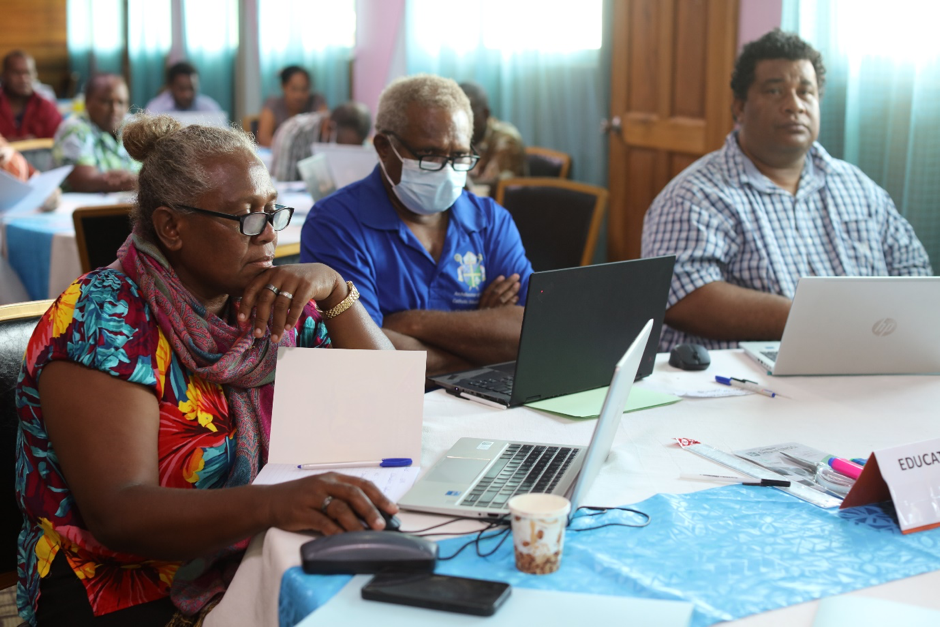
In response to the findings, education stakeholders, service providers, development partners, and MEHRD Heads of Department are convening a two-day finalisation workshop from 2–3 December 2025 at Honiara Hotel. The workshop aims to reflect on the findings and identify priority areas for action using insights gained from the baseline assessment.
Permanent Secretary Dr Franco Rodie, in his opening address, described the findings as a vital management and policy tool that will help shape improvements across the education sector.
He said the report provides unprecedented visibility into what is happening inside classrooms, including how teachers prepare and deliver lessons, how schools are managed, and where students are facing the greatest challenges.
Dr Rodie also acknowledged the strong commitment of key stakeholders, education providers, and development partners in supporting the review of the baseline analysis, which will guide a transformation approach for the entire education system.
The Baseline Assessment was conducted by MEHRD in partnership with UNICEF as the Grant Agent and the New Zealand Ministry of Foreign Affairs and Trade (MFAT) as the Coordinating Agency.
What you think?
Sponsored Advertisement