
Sponsored Advertisement

Five rural health clinics in Western Province are strengthening their capacity to maintain rainwater catchment systems and promote safe water, sanitation and hygiene (WASH) practices following a week-long training delivered by the Adventist Development and Relief Agency (ADRA) Solomon Islands, with support from World Vision Solomon Islands (WVSI).
Conducted from 8 to 15 October under ADRA’s Rehabilitation of Rainwater Catchment System Project (RRCSP), the training was funded by the Australian Government through the Australian Humanitarian Partnership (AHP).
It aimed to equip clinic health committees and community representatives with practical skills to repair and maintain water tanks, helping sustain safe and reliable water supplies for essential health services.
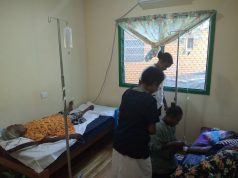
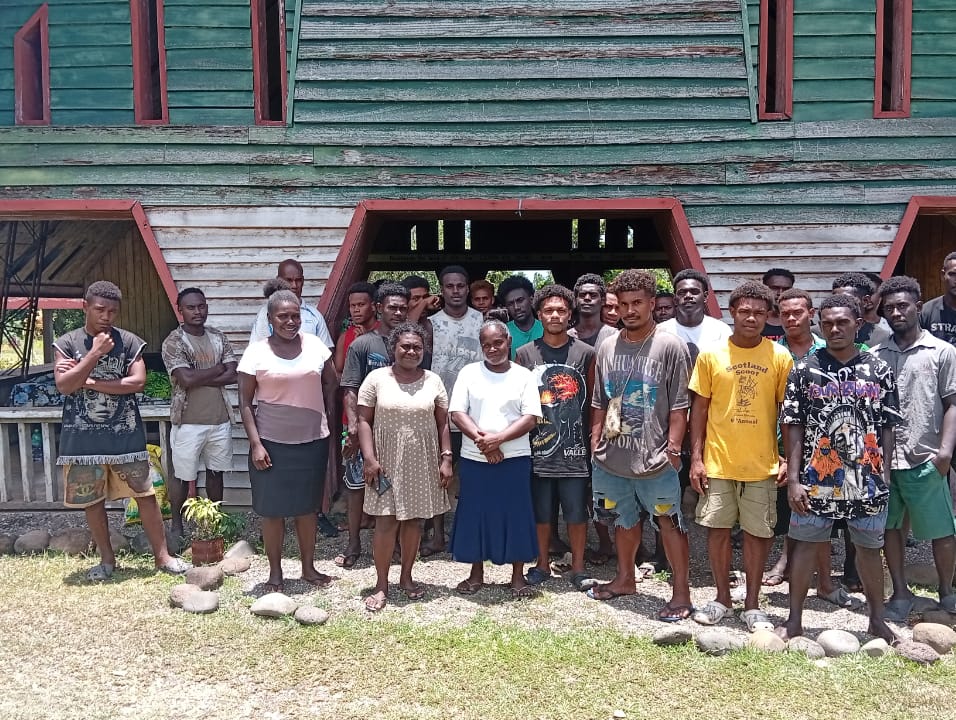
The training took place at Tapurai and Lengana clinics on Simbo Island, Keigol and Korovuku clinics on Ranongga Island, and Vanga Clinic on Kolobangara Island. Approximately 16 participants from each clinic attended, including clinic health committee representatives, women, young people, people with disabilities and other community members.

Facilitated by staff from the Environmental Health Division of the Western Provincial Government, the training combined practical water tank maintenance with WASH awareness. The activity was coordinated by Melina Navo, Project Officer for the RRCSP.
Access to safe and reliable water is essential to the daily operation of rural health facilities, supporting hygiene, infection prevention and the delivery of health services. By strengthening the knowledge and skills of clinic committees and surrounding communities, the initiative promotes local ownership and responsibility for maintaining water infrastructure beyond the project implementation period.
Clery Sene, Chairman of Tapurai Clinic on Simbo Island, welcomed the training, saying it had helped the community better understand how to maintain the clinic’s water tank and protect its water supply.
“I am very happy with this training. Although this is a small project, it is important because it helps us understand how to maintain the water tank and ensure it continues to support the clinic,” he said.
“Our community will make sure we look after this water tank and work together to keep it in good condition for the benefit of our clinic. We are the people who use this clinic, so it is our responsibility to care for the facilities provided for us,” Mr Sene added.
Paul Komaasia, a registered nurse at Vanga Clinic, highlighted the importance of water to the continued delivery of health services.
“We might look at this water tank as something small and think it is not very important, but it plays a significant role in the daily operation of our clinic,” he said.
“Without water, the clinic would not be able to continue providing its services. Therefore, this training is important for all of us. We must work together to ensure that our clinic facilities, especially the water tank, are properly maintained to support the continued delivery of health services.”
Jack Igolo from Korovuku Clinic also expressed his appreciation to ADRA for organising the training, saying it had reinforced the community’s responsibility to care for its water infrastructure, particularly when water supplies become challenging during deliveries and other essential clinic activities.
The initiative highlights the importance of humanitarian partnerships in supporting essential services and building community resilience. Through its support for the RRCSP, World Vision Solomon Islands contributes to efforts to strengthen water access and WASH practices in rural communities, complementing broader humanitarian efforts to help communities protect and sustain essential facilities.
ADRA Solomon Islands and World Vision Solomon Islands have opportunities to build on this work through continued collaboration in humanitarian response, community resilience and access to essential services.
As the RRCSP approaches the end of its implementation period, ADRA Solomon Islands will conduct a final health awareness programme across the five project sites in the coming weeks. The programme will reinforce safe water handling, hygiene practices and community responsibility for maintaining the rainwater catchment systems that support rural health services.
What you think?
Sponsored Advertisement