
Sponsored Advertisement

For generations, women across the Pacific have stood as the unsung architects of food security. Through traditional gardening, reef gleaning, fishing, and food preservation, their inherited ecological wisdom has sustained households through shifting weather patterns, climate-related issues, and socio-economic pressures.
This philosophy forms the bedrock of Alice Clara Aluta-Rore’s academic mission as a Doctor of Philosophy candidate in Pacific Studies at The University of the South Pacific (USP). Under the prestigious Norway-Pacific Ocean-Climate Scholarship Programme (NPOC), a bi-institutional initiative between USP and the University of Bergen, Norway, Rore is documenting how rural Solomon Islands women utilise local knowledge systems to build climate-resilient futures.
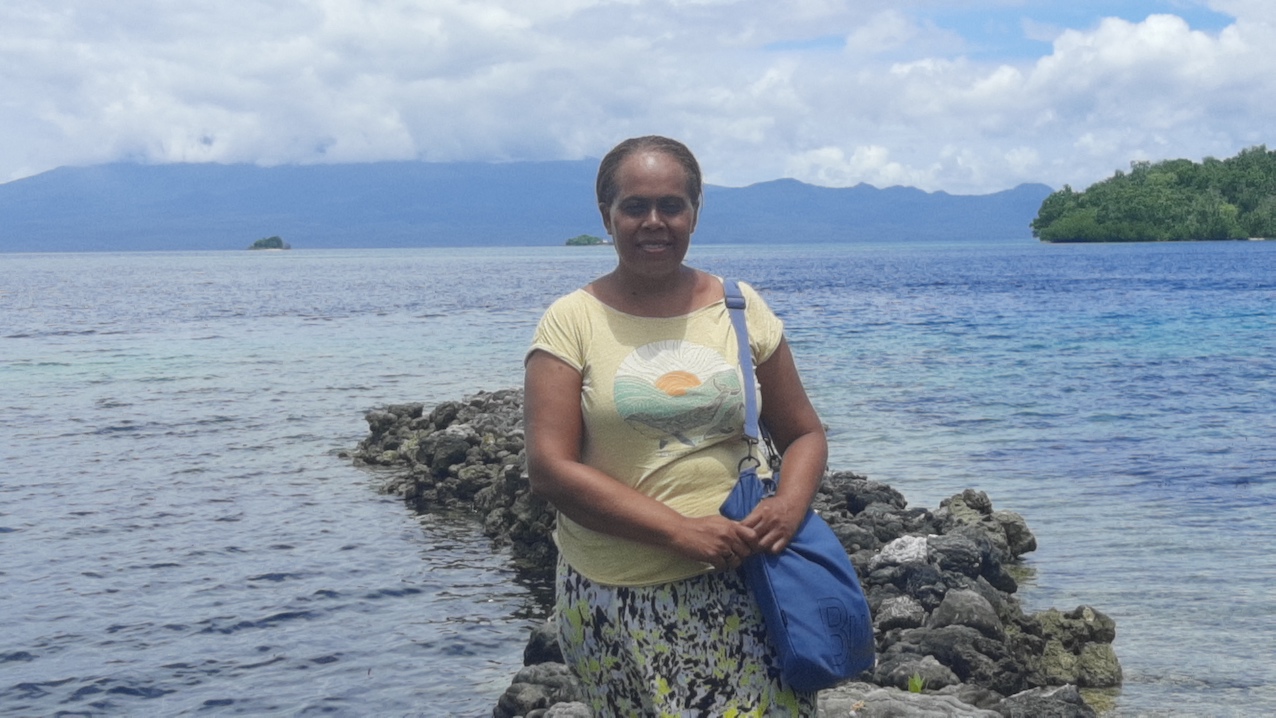
Raised as the eldest of five siblings and originally from Sulagwalu, in the northern region of Malaita Province in the Solomon Islands, she experienced firsthand the financial and social challenges of growing up in a peri-urban community.
“From an early age I realised we were a struggling family. But my parents did not show it; they kept trying their best to provide what was necessary for our livelihood. Their priority was for us to be fed sufficiently, clothed decently, well-mannered, get an education, and remain in church. They were very protective about these values for our family.”
“Despite all the challenges faced, I overcame these by leaning on my parents and siblings’ support, personal faith, and staying determined with education.”
Her educational journey began at Burnscreek Adventist Primary School and Betikama Adventist High School, Solomon Islands, before taking her to USP’s Laucala Campus in Fiji.
Over two decades, Rore balanced high school and tertiary teaching with postgraduate studies, earning her Bachelor of Secondary Education (1999), Postgraduate Diploma in Linguistics (2005), and Master of Arts in Linguistics (2017). Adapting to life in a new country brought cultural differences and academic demands, but her family’s vision kept her anchored.
“It is not easy, but drawing from my upbringing gave me the strength and resolve to face these difficulties and remain focused in my studies. I also acknowledge my close friends who have quietly supported and cheered me on throughout this journey. They all contributed to making this journey worthwhile.”
Now in the final writing phase of her doctorate, Rore’s research examines how rural women navigate environmental degradation, unpredictable climate shifts, and socio-economic pressures to ensure food secure households. By centering women’s daily routines, from subsistence farming to food preservation, her work provides empirical evidence that ancestral wisdom yields sustainable, place-based solutions.
Crucially, the study advocates for a seats-at-the-table approach, calling for women’s inclusion in policy discourse, village planning, and the co-design of adaptation initiatives.
“My research assists food resilience in the Solomon Islands and the Pacific by centering women’s Indigenous knowledge as a valuable heritage for adaptation to the socio-economic and environmental pressures they face in their respective contexts,” she stressed.
“By documenting the lived realities of these women in subsistence gardening and fishing, and the traditions of the food production systems in place, the study provides evidence of how local knowledge can yield locally grounded and sustainable responses to the challenges women face.”
“Reframing women’s contributions to local food security means recognising their lived experiences of resilience and elevating the value of local knowledge as a critical resource for food security and adaptation initiatives across Oceania.”
The inspiration to pursue this research topic came from observing the different women in her life whilst growing up, who had the confidence and strength to keep going and always ensured their families had enough to eat every day despite the many difficulties experienced.
“I have always been intrigued by women’s creativity in doing things and interested in listening to stories about culture, indigenous heritage, and life,” she highlighted.
“Most of the women around me had very limited formal education but did not see this as a barrier to fulfilling their responsibilities and livelihoods. They always rose whenever life tested them.” This reality resonates with many other women in the communities, therefore, for this study, Rore is truly grateful to the women who shared their stories and reflections about life, and talked about their future aspirations. The conversations were meaningful and genuine relationships were formed.
As Rore prepares to submit her thesis soon, her advice to future researchers and women across the region is to embrace our indigenous heritage, be the voice for the unheard, and remain steadfast.
“If you have the opportunity to study, pursue it. Age is not a limit to learning. Embrace life with faith and grit. Learn to navigate each turn of your life’s journey with determination. There will be difficulties encountered and sacrifices made, but you are stronger than you realise, and you are more than enough. Continue to build your legacy, it matters,” she stressed.
What you think?
Sponsored Advertisement