
Sponsored Advertisement

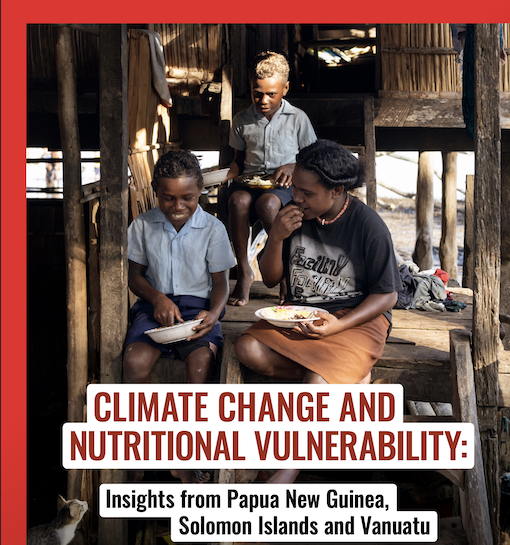
A new study released by Save the Children has found the compounding effects of climate change and malnutrition are affecting an alarming number of Pacific children
16 October 2025: A new study from Save the Children released on World Food Day is warning that climate change is worsening child malnutrition in Papua New Guinea (PNG), Solomon Islands and Vanuatu, as climate-induced disasters become more frequent and intense in the Pacific.
The relationship between the urgent crises of malnutrition and climate change is still emerging and underexamined. Save the Children’s study has found that climate change is making it significantly harder for families to access healthy food, affecting not only how food is grown but also raises the price of produce, impacts livelihoods and limits market access. All of this reduces the availability and market stability of fresh, nutritious foods and pushes people toward cheaper, unhealthy options.
The figures are alarming. Melanesia faces a ‘triple burden of malnutrition’. One in three Melanesian children faces stunting, anemia, or being overweight. Almost half of PNG’s children (48.2%) have stunted growth due to chronic malnutrition. In Solomon Islands, nearly 32% of children are stunted and in Vanuatu, the prevalence of stunting is 29%, with wasting affecting 8% of children under five.
Meanwhile, the region grapples with some of the world’s fastest-intensifying climate- induced disasters. In 2023, Vanuatu experienced three severe tropical cyclones, with Tropical Cyclone Lola the earliest Category 5 cyclone ever recorded in the southern hemisphere, making it the most intense pre-season cyclone ever.
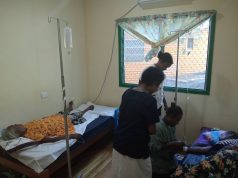
Across the three countries, repeated climate-related disasters such as cyclones and floods destroy crops and affect fishing grounds, disrupting local food supplies and cutting access to vital nutrients like protein, iron and zinc. At the same time, essential water, sanitation and health infrastructure are damaged and become challenging to access for already remote island populations. Community members are reporting that these cumulative effects are becoming harder to bounce back from, making it a struggle to keep children fed and protected from illness.
During the critical first 1,000 days of life (from conception to their second birthday) children require optimal nutrition to establish foundations for lifelong health and development. However, the Pacific’s fragile food, water and health systems are creating the devastating triple burden of malnutrition including:
-
Undernutrition and stunting
· Rising obesity rates
· ‘Hidden hunger’: the lack of essential vitamins and minerals required to grow
MAL Deputy Secretary Special Duties, Mr. Simon Baete acknowledged the study and noted the report effectively captures the serious and interconnected effects of climate change on food security, health, and nutrition in Melanesia. These are realities MAL is already observing in rural communities — including declining yields, increasingly erratic weather patterns, and growing food insecurity.
“This study draws attention to the pressing challenges facing communities already struggling to ensure their children have healthy and nutritious diets. Climate change is disrupting local production, biodiversity, and livelihoods.”
“MAL supports the call for climate-resilient and nutrition-sensitive agriculture, including wider use of locally adapted crops and diversified gardens with agricultural programs deliberately targeting nutrition outcomes, especially for women and children.”
“Remote farming areas are among the most at risk. MAL strongly supports the proposal for an inter-ministerial Climate–Nutrition Task Force. Cross-sector planning with Health, Environment, Infrastructure, and Women’s Affairs ministries is essential.”
“The study provides strong evidence for aligning MAL’s climate adaptation work with nutrition and health priorities. MAL is ready to collaborate with government partners and development partners to translate these findings into practical, community-based actions that strengthen resilience and protect food and nutrition security for all Solomon Islanders.”
Save the Children Solomon Islands Country Director, Tory Clawson says the impact of the climate crisis on child and maternal nutrition is not well understood, and
yet the two problems are completely intertwined, with the climate crisis contributing significantly to the nutrition crisis.”
“We know that children who suffer from chronic or acute malnutrition experience lifelong and irreversible impacts to their health and cognition. As this important report shows, the clock is ticking for children here in Solomon Islands and across the Pacific: every effort must be made to integrate child nutrition into our responses to the climate crisis.”
ENDS
What you think?
Sponsored Advertisement