
Sponsored Advertisement

The rise of imported second-hand clothing from Australia into Solomon Islands has been turned into a documentary film, spotlighting the poor quality of these garments and their growing threat to the local environment.
The film, Good Neighbours, premiered yesterday at the Design for a Just World symposium hosted by the QUT Centre for Justice and QUT Design Lab, according to the ABC’s Pacific Beat programme. It examines the booming second-hand trade in Solomon Islands, where an estimated 88 percent of imported used clothing now comes from Australia—items described as “what Australians got rid of, what they will never wear.”
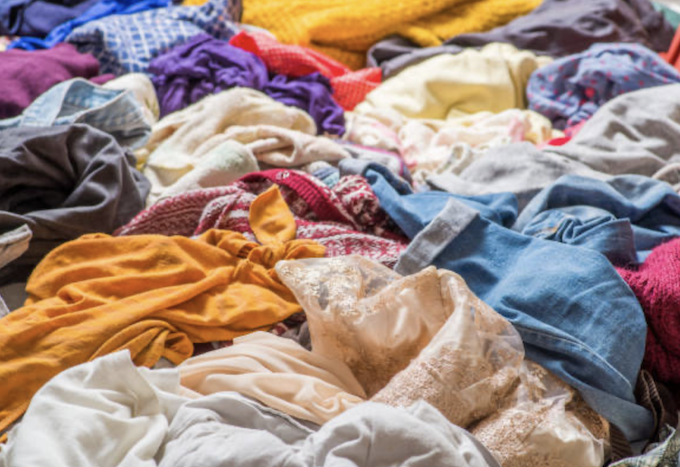
On average, an Australian buys 55 pieces of clothing each year. The documentary argues that much of what is discarded ultimately ends up in Solomon Islands, which is struggling under the volume of Australia’s consumer waste and weak export regulations.
The film’s creator, Associate Professor Tiziana Ferrero-Gergis of the Queensland University of Technology’s Faculty of Creative Industries and Social Justice, said the consumption pattern in local second-hand shops mirrors “fast fashion” dynamics.
According to her, most of the clothing arriving in Honiara is made from polyester or blended synthetics that do not break down easily and significantly contribute to environmental degradation.
She said each second-hand shop in Honiara receives about 50 bales of clothing from Australia per week or month, with each bag weighing between 50 and 500 kilograms.
“The retail of these clothing and people buying them behave a bit like fast fashion. They arrive, they are sorted, they are hung in shops. After one or two weeks, if the clothing is not sold, it actually ends up as waste,” Ferrero-Gergis said.
“It is either thrown into waste bins, burnt, or taken to the landfill. It ends up in places like the ocean—the landfill is currently near the ocean. There is a poignant scene in the film of textiles trapped in the reef. If you look at that image, you can immediately imagine the scale of the waste.”
She stressed that Solomon Islands and other small countries lack the waste-management infrastructure required for proper separation of materials such as textiles, e-waste, metals, and organic waste.
“The environmental problems are many. Apart from ending up in the ocean, the majority of the clothing we send as Australians is polyester or mixed fibres that—unlike cotton, linen or silk—take a long time to degrade, sometimes 100 or 200 years,” she said.
Ferrero-Gergis argued that unless Australia regulates its export of second-hand goods, Solomon Islands will continue receiving clothing of poor and often unusable quality.
“We have seen clothing with holes, clothing with stains. Some women we spoke to talked about textiles that basically come apart, so they throw them away straightaway. So my question is also an ethical one to Australians: why would you donate clothing that you would not wear?” she asked.
What you think?
Sponsored Advertisement