
Sponsored Advertisement

By: Martin Baddeley Housanau
Introduction
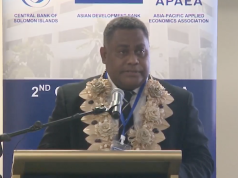
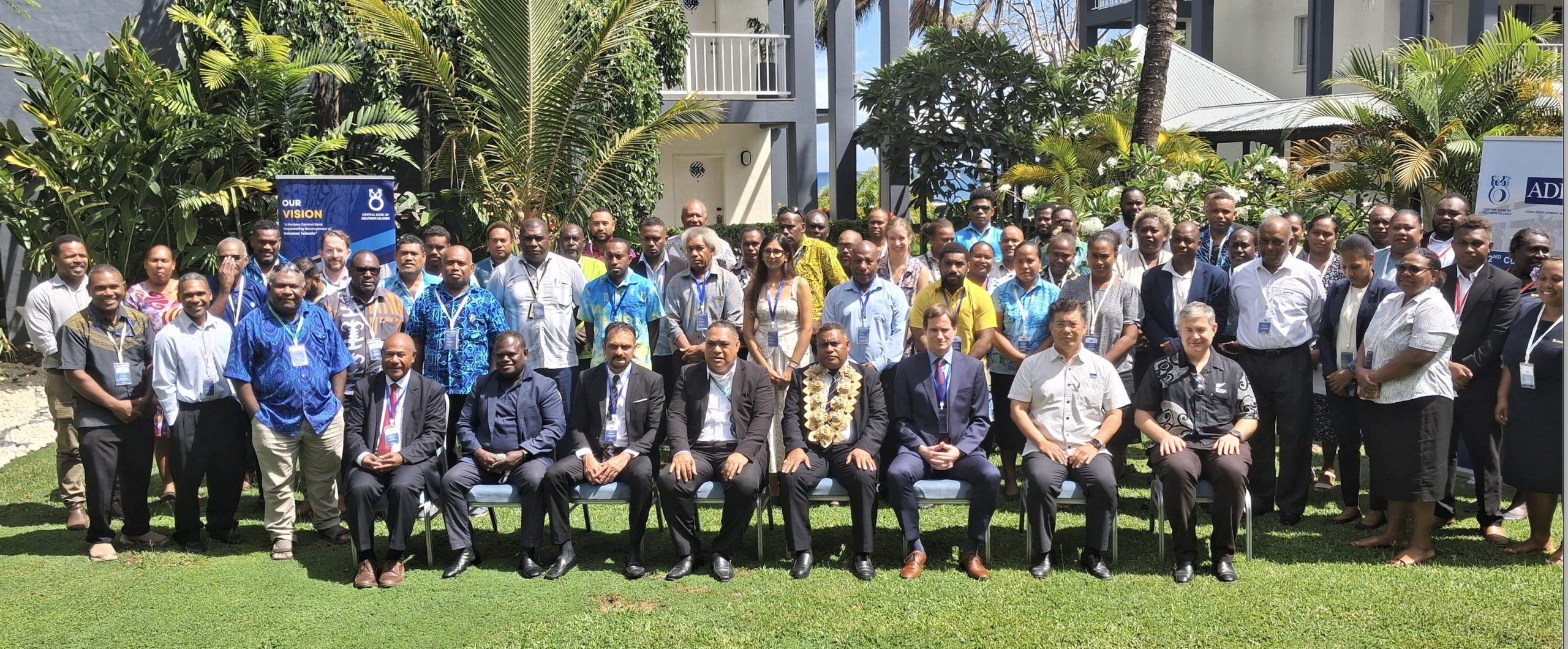
The recent Central Bank of Solomon Islands (CBSI) – Asian Development Bank (ADB) – Asia-Pacific Applied Economics Association (APAEA) Conference held in Honiara over the past week brought together regional financial leaders, development partners, and policymakers to discuss opportunities for strengthening financial systems and improving economic stability in the Pacific. While the conference highlighted important themes such as digital finance, financial inclusion, and regional cooperation, several gaps and weaknesses became apparent. Many of the issues raised lacked clear implementation strategies, timeframes, and accountability measures. As a result, the conference provided useful dialogue but left unanswered questions about how the proposed reforms will be translated into practical outcomes for Solomon Islands and the Rest of the Pacific Island economies.
The Key Facts About the Honiara Joint Workshop.
The CBSI hosted the 2nd CBSI–ADB–APAEA joint workshop in Honiara on monetary & fiscal issues. The CBSI’s primary objective is price stability and maintenance of a stable financial system. The Solomon Islands dollar is managed as a basket peg / managed float (CBSI manages an invoice-based basket). Monetary tools are used without a single official policy rate. As of recent CBSI statements, the Bank has adopted an expansionary stance to support growth while containing inflation. The country has recently adopted a comprehensive credit-reporting regulations, a material reform for financial inclusion and credit allocation.
Brief assessment of the Honiara workshop — strengths and what it accomplished.
Strengths:
The Workshop brought together regional research, ADB perspectives and local policymakers — good forum for sharing international best practice — useful for knowledge-sharing and capacity building. It further reinforced CBSI’s research capacity and public engagement (working papers, Quarterly Review) — a positive sign for better evidence-based policymaking. More importantly, it tackled current, high-relevance topics (inflation, climate impacts on inflation, remittances, trade and macro stability). The workshop highlighted the policy tools and research that CBSI can adapt (research, policy dialogue, capacity building), and further focuses on macro linkages (monetary & fiscal) and on capacity-building as a necessary foundation.
Key Gaps & Missed Opportunities (what the conference did not sufficiently address).
-
Weak fiscal–monetary operational coordination: workshop covered theory/research, but there was limited focus on a practical institutional framework to coordinate fiscal expansion with monetary management (clear triggers, pre-agreed rules, emergency mechanisms). (CBSI mandate is price stability; coordination matters when CBSI adopts expansionary stance).
-
Insufficient focus on structural contraints. Papers covered macro issues and climate impacts, but there was little concrete sequencing on how to unblock the physical bottlenecks (ports, power, roads, cold chain) that prevent fiscal stimulus and private credit from producing sustainable output. Without addressing bottlenecks, stimulus risks being inflationary rather than productive.
-
Limited attention to MSME and bankable projects: practical channels to shift bank credit to productive SMEs (credit guarantees, risk-sharing, on-lending facilities) were not fully operationalized. Recent credit-reporting regulations are positive, but not enough alone.
-
No clear sequencing for land tenure reforms & PPP safeguards — unlocking church/communal/ customary land for investment needs social safeguards and legal product to be investable. (Conference referenced trade & remittances but not detailed land reform pathways).
-
Too much emphasis on research/diagnosis, not enough on operational coordination. The workshop presented research and global/regional perspectives, but it did not set out a concrete institutional framework or rules for operational fiscal–monetary coordination during shocks (who acts, when, and how). That gap matters because coordination is the mechanism that turns policy talk into action.
-
Under-emphasis on disaster/climate finance instruments and contingency planning. Pacific economies face recurrent climate shocks. The workshop discussed climate–inflation links, but lacked a clear push for instruments such as contingent credit lines, parametric insurance, reserve-trigger rules or sovereign catastrophe financing which are essential to avoid fiscal/policy backsliding after disasters.
Negative Implications for Solomon Islands and the Rest of the Pacific Island Economies if these Gaps Are Inadequately Addressed.
If the gaps above remain unaddressed, the Solomon Islands and neighboring Pacific economies face several concrete risks:
-
Policy paralysis at times of crisis: Without pre-agreed coordination mechanisms, fiscal expansion can clash with monetary stability goals — producing either unanchored inflation or under-utilized fiscal capacity during shocks.
-
Inflation without growth (stagflation-like outcomes): Stimulus that ignores supply bottlenecks (roads, ports, power) can raise demand for scarce goods and imported inputs, pushing up prices while failing to expand local productive capacity.
-
Persistent financing gaps for MSMEs and value-chains: The private sector — especially MSMEs — will remain credit-constrained if academic findings are not translated into credit guarantee programs, on-lending windows, or bankable project pipelines. This locks in low private-investment and few formal jobs.
-
Wasted or risky public investment post-disaster: Without contingency finance instruments, governments may be forced into ad-hoc borrowing or emergency measures that crowd out planned development spending or create fiscal stress.
-
Investment disputes and social backlash: If land tenure and community safeguards aren’t tackled, projects can be delayed, litigated, or violently resisted — raising country risk and deterring investors.
-
Slower regional convergence and resilience: The Pacific’s small, interconnected economies will be less able to cooperate on cross-border finance, insurance pools, and regional liquidity arrangements if national dialogues stop at research and don’t institutionalize action.
Key Policy Recommendations — a Coordinated, Complementary Monetary & Fiscal Policies to Fill in the Gaps.
Below are the key policy recommendations to fill in the void of the Honiara Workshop. This is a concrete and implementable framework that works together (monetary tools support stability; fiscal measures drive supply & inclusion) to realize the policy gaps.
(A) Short Term (1 Year: 2026) — Stabilize, Enable Credit and Quick Wins.
Monetary Actions (CBSI):
-
Maintain the managed-basket exchange policy, keep a comfortable reserve buffer, and publish a short-term liquidity calendar. (Continuity reduces foreign exchange risk).
-
Targeted liquidity facilities: create temporary, low-cost term funding lines to commercial banks earmarked for priority sectors (SME loans, agro value chains, disaster response). Use collateral-friendly rules and require banks to report on utilization.
-
Use short-term government securities (Bokolo bills) actively as sterilization if credit growth overheats; CBSI can auction 28-day (or up to 91-day) bills to mop up excess liquidity.
Fiscal Actions (Solomon Islands Government – Ministry of Finance & Treasury with other relevant Ministries):
-
Immediate fiscal re-prioritization: frontload public investment that has quick multiplier effects (rural feeder roads, market facilities, port maintenance) while keeping recurrent spending controlled. Use cash-managed projects to rapidly generate jobs.
-
Temporary wage-linked public works (short-term employment programs) in climate-resilient infrastructure, funded by reallocated capital budgets and grants.
-
SME credit guarantee scheme design (seed with donor/ADB funds): reduces bank risk aversion and channels bank lending to productive enterprises.
-
Why these complement: targeted liquidity + SME guarantees unlock credit; public works and quick capex relieve supply bottlenecks and create demand for local producers without large inflationary impulse if well-targeted.
KPIs (first 12 months – 1 year): bank lending to SMEs increase 15%; Bokolo bill auction volumes used to manage liquidity; unemployment / temporary job creation numbers for public works; project procurement transparency.
(B) Medium Term (2 Years: 2027 – 2028) — Scale Finance, Fix Supply Constraints, Institutionalize Coordination.
Monetary Actions (CBSI):
-
Macro prudential toolkit: introduce calibrated reserve requirement adjustments, counter-cyclical provisioning and sectoral LTV/DTI limits to cool overheated credit segments and protect household balance sheets.
-
Credit-easing window for priority sectors: lower collateral or interest subsidy via targeted refinance facilities for banks on lending to agriculture, fisheries, tourism, housing.
-
Strengthen payments infra & credit reporting (use the new CCR regulations): accelerate digital payments, faster settlements, and encourage bank use of credit bureau data to expand responsible lending.
Fiscal Actions (Solomon Islands Government – Ministries of Finance & Planning with other relevant Ministries):
-
Medium-term fiscal framework (MTFF): publish a 3–5 year MTFF with clear capital/recurrent splits, PPP pipeline rules, and fiscal anchors (primary balance targets, public debt ceilings). This helps CBSI set expectations and prevents monetary policy from being subverted by unanchored fiscal expansion.
-
Public investment in bottlenecks: ports, electricity, telecoms, secondary roads, and cold-chain for fisheries/agriculture. Use blended finance and PPPs with strict value-for-money and community safeguards.
-
Tax reform & revenue mobilization: broaden VAT base, reduce exemptions, strengthen compliance, and expand property taxation in urban centers to mobilize non-distortionary revenue for infrastructure.
-
Why these complement: macro prudential rules allow monetary expansion to continue without fueling bubbles; MTFF gives credible fiscal path so monetary policy anchors inflation expectations; infrastructure investments address supply-side constraints that otherwise turn demand stimulus into higher prices.
KPIs (2 years): private investment growth rate > GDP growth; non-mining export growth; MSME loan portfolio % of bank lending up 20–30%; public debt/GDP within target band; digital payment, adoption metrics.
(C) Long Term (5 Years: 2029 – 2033) — Transform Structure & Resilience
Monetary Actions (CBSI):
-
Move toward an explicit, published monetary framework with clear inflation targets (or a formalized price-stability band) and transparent communication on policy instruments (reserve, sterilization, intervention rules). This may include an explicit short-term rate signaling mechanism (operational rate around Bokolo bills).
-
Build resilience instruments: sovereign catastrophe risk financing (contingent credit lines, regional insurance pools), and a sovereign bond market development plan (small, phased issuance to establish yield curve).
Fiscal Actions (Government – Ministries of Finance, Planning, Commerce, Lands & Others):
-
Strategic structural reforms: land-use frameworks that permit fair, secure, and investable land arrangements (respecting customary rights), regulatory reforms to attract longer-term private capital into processing (fish, timber certification, cocoa/coffee value-add).
-
Endowment & sovereign wealth-type vehicle for resource rents (if resource revenues materialize) — save part of windfalls for future capex and stabilization.
-
Human capital investments: scale vocational training tied to productive clusters (fisheries, agro-processing, construction, tourism).
-
Why these complement: a transparent monetary framework anchors expectations and investment; sovereign resilience instruments and structural reforms attract and retain private capital; human capital upgrades ensure the productive side can respond to finance.
KPIs (5 years): formal private sector jobs % increase; export diversification index up; reserve adequacy months of imports; sovereign credit / bond issuance milestones; reduced poverty metrics.
Institutional & Governance Recommendations (cross-cutting).
- Fiscal–Monetary Coordination Mechanism (FMCM): a formal committee (CBSI Governor, Finance Minister, Senior Treasury & CBSI staff, and an independent economist) meeting quarterly with published minutes and pre-announced rules for exceptional coordination (disaster, shock). This preserves central bank independence but creates transparency when policies must be coordinated.
- Project Pipeline & Bankable Projects Unit (within Ministry of Finance & Development Bank): identify 10–20 bankable projects with PPP structures, standard procurement, and social safeguards.
- Scale the Credit Bureau & Digital Payments (use CCR Regulations to expand access while protecting consumers).
- Disaster/climate finance facility: negotiate contingent credit lines with ADB, establish parametric insurance for staple crops and infrastructure.
Risks & mitigations
Table: Identified the risks and mitigation matrix
Sponsored Advertisement

| Risk | Mitigate |
| 1. fiscal expansion without supply response resulting in inflation. | § MTFF, targeted public investment, macro prudential measures. |
| 2. banks lend into asset bubbles. | § LTV/DTI, provisioning, reserve requirements. |
| 3. land conflicts derail investment. | § legal safeguards, community benefit-sharing and transparent lease templates. |
| 4. natural disaster destroys assets. | § catastrophe finance, resilient design standards. |
Conclusion
The Honiara workshop strengthened research ties and highlighted the right high-level problems (inflation, climate, trade). But research without a fast route to operational policy risks leaving the Solomon Islands and Pacific exposed to inflationary shocks, under-investment, and repeated post-disaster fiscal stress. The complimentary fiscal and monetary policy outcomes of the workshop are necessary but insufficient to transform the Solomon’s the Rest of the Pacific Island economies. The next, urgent step is to move from papers to pre-agreed, bankable operational tools (FMCM, credit guarantee designs, contingency finance, project pipelines, and transparent land safeguards) — otherwise the good analysis risks producing only modest economic benefits for Solomon Islands the Rest of the Pacific Islands economies.
Disclaimer: The views, opinions, and statements expressed in this article are solely those of the author. They do not reflect or represent the views, positions, or editorial stance of Solomon Business Magazine. The author assumes full responsibility and liability for the accuracy and legality of the content, including any statements that may be considered defamatory or otherwise unlawful.
What you think?
Sponsored Advertisement